
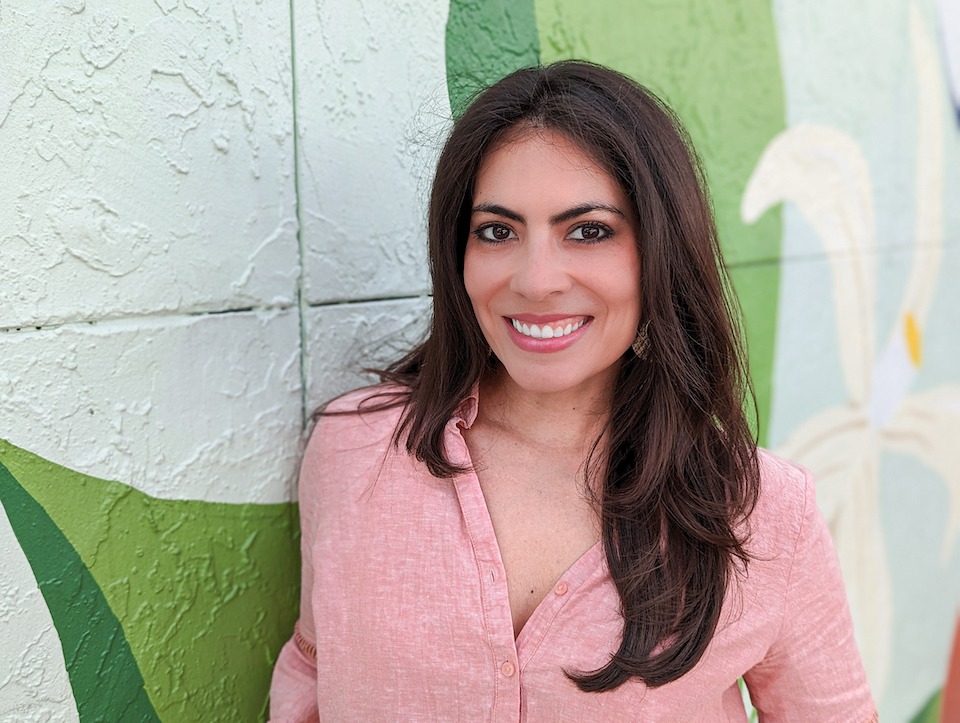
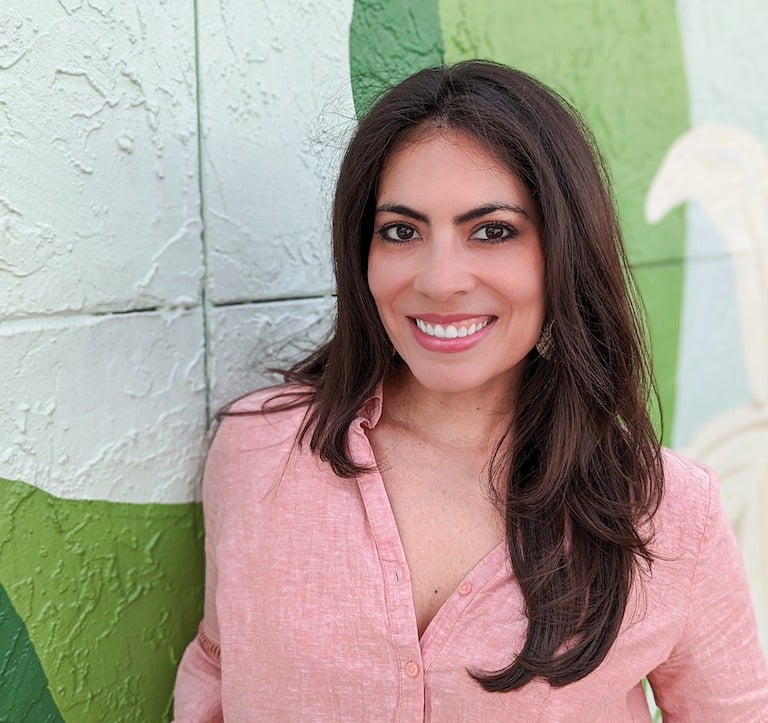
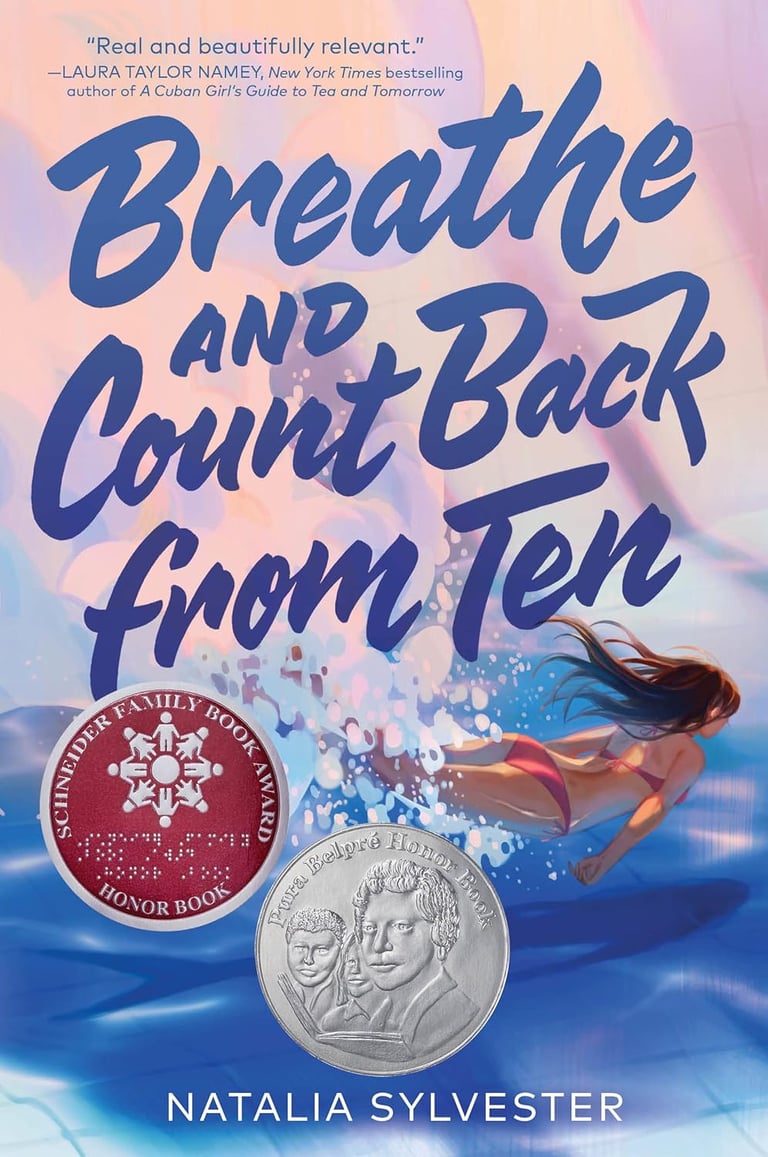
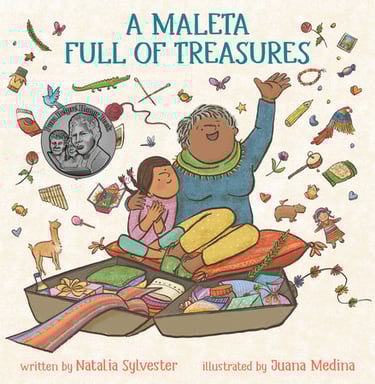
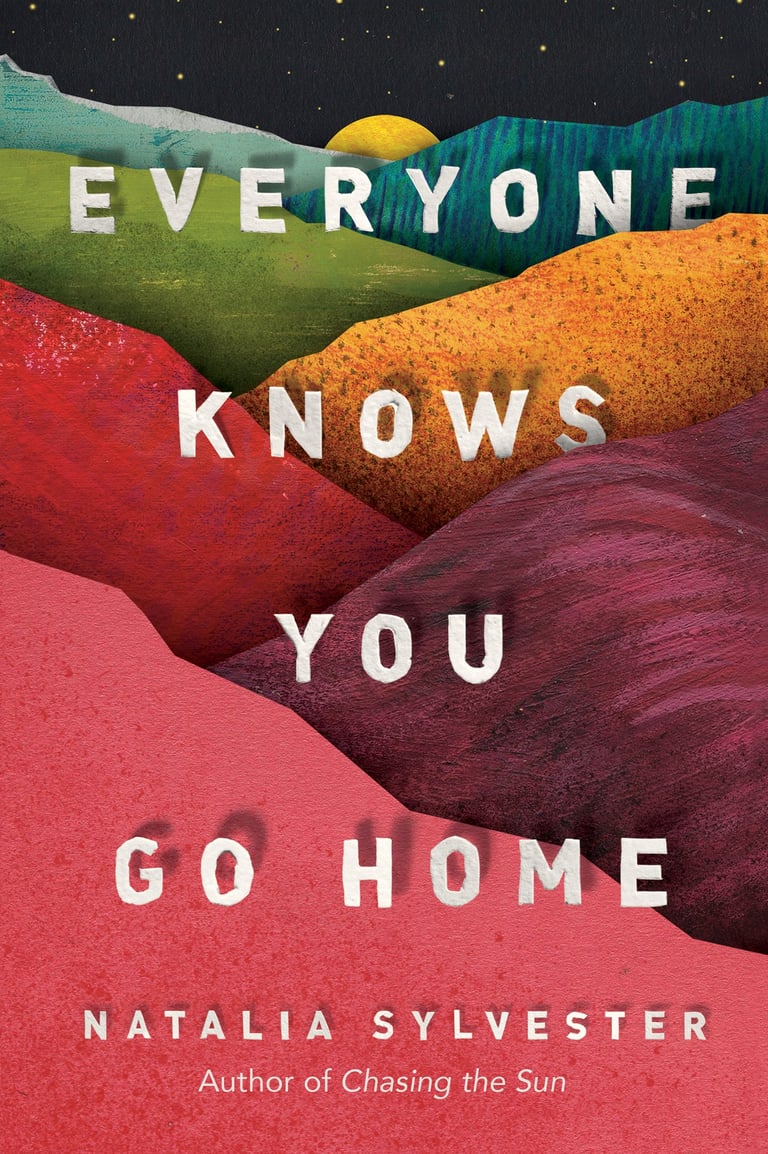
Natalia Sylvester is the award-winning author of books for kids, teens, and adults, among them the Pura Belpré- and Schneider Family-honor winning YA novel Breathe and Count Back from Ten, the picture book A Maleta Full of Treasures, and for adults, the novel Everyone Knows You Go Home. She is an engaging speaker and writing instructor who shares the power of storytelling with readers of all ages.
Author | Speaker | Teaching Artist
Out Now from Simon & Schuster
Two classmates scheme to break their parents up before they get married and ruin the girls’ lives forever in this hijinks-filled middle grade novel co-written by authors Chantel Acevedo and Natalia Sylvester.
Out in hardcover & paperback from Aladdin/Simon & Schuster


Speaking Engagements
"We loved having Natalia on campus sharing her writing journey with us! As an author who has written for audiences of all ages, Natalia was able to connect with students across all of our divisions. She worked with small groups leading students through the writing process and sharing with a larger audience assembly style. Thank you for everything, Natalia!"
— Shannon Frank, English Department Chair, Canterbury School
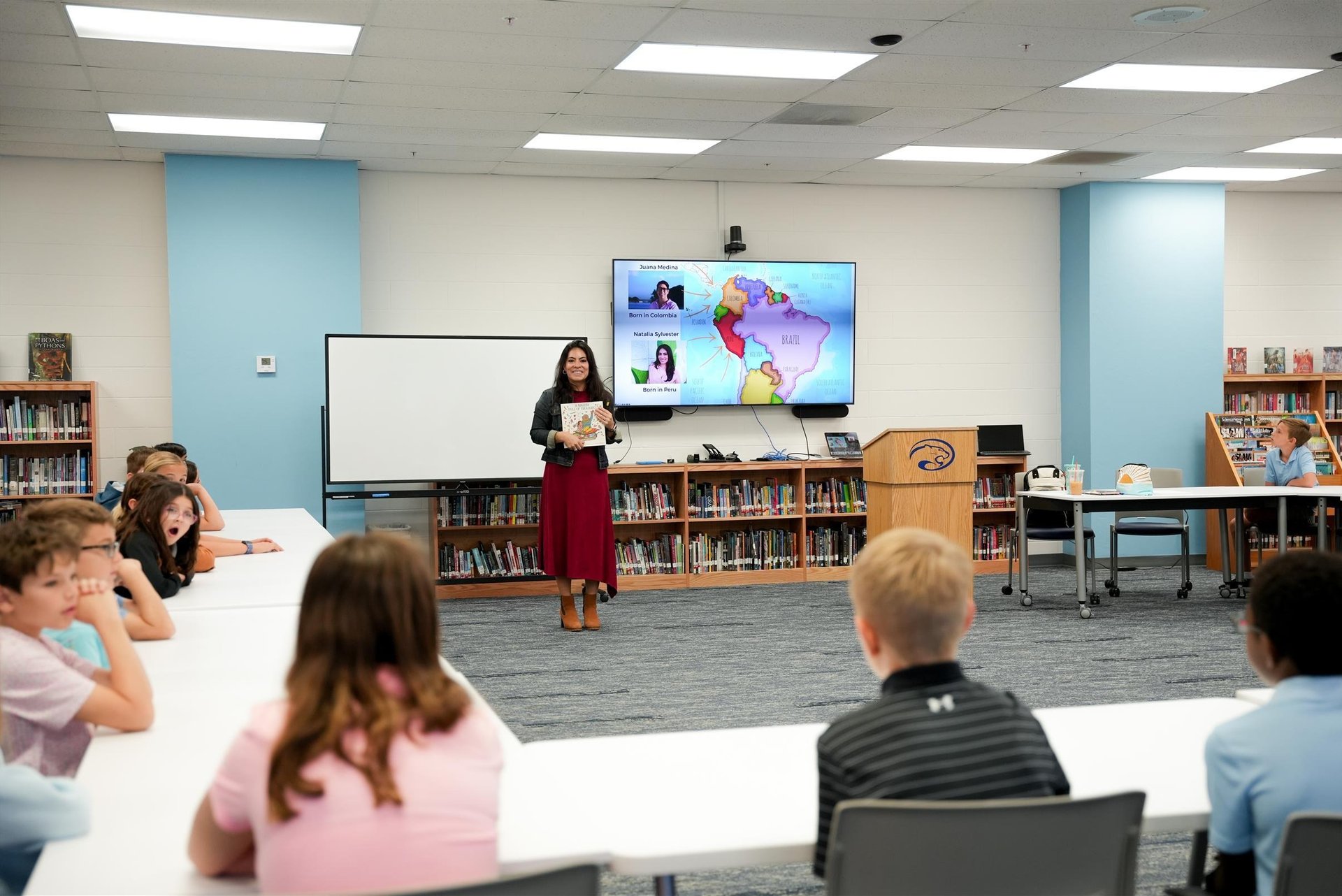
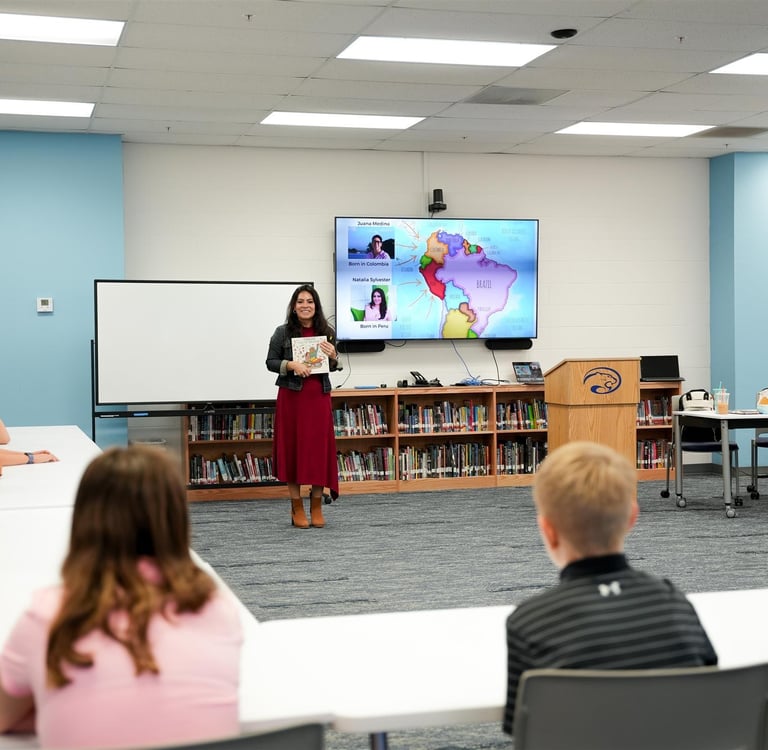
NOW BOOKING 2025-2026 EVENTS FOR:
School & Library Visits | College Events | Writing Workshops
Professional Development | In-Person & Virtual Events
To book a K-12 visit, please fill out this form.
To book a visit related to Natalia's books for adults, contact info@nataliasylvester.com.
Contact
For specific requests about rights or publicity:
Rights: Laura Dail, Laura Dail Literary Agency
Publicity for A Maleta Full of Treasures: Sierra Pregosin, Penguin Random House
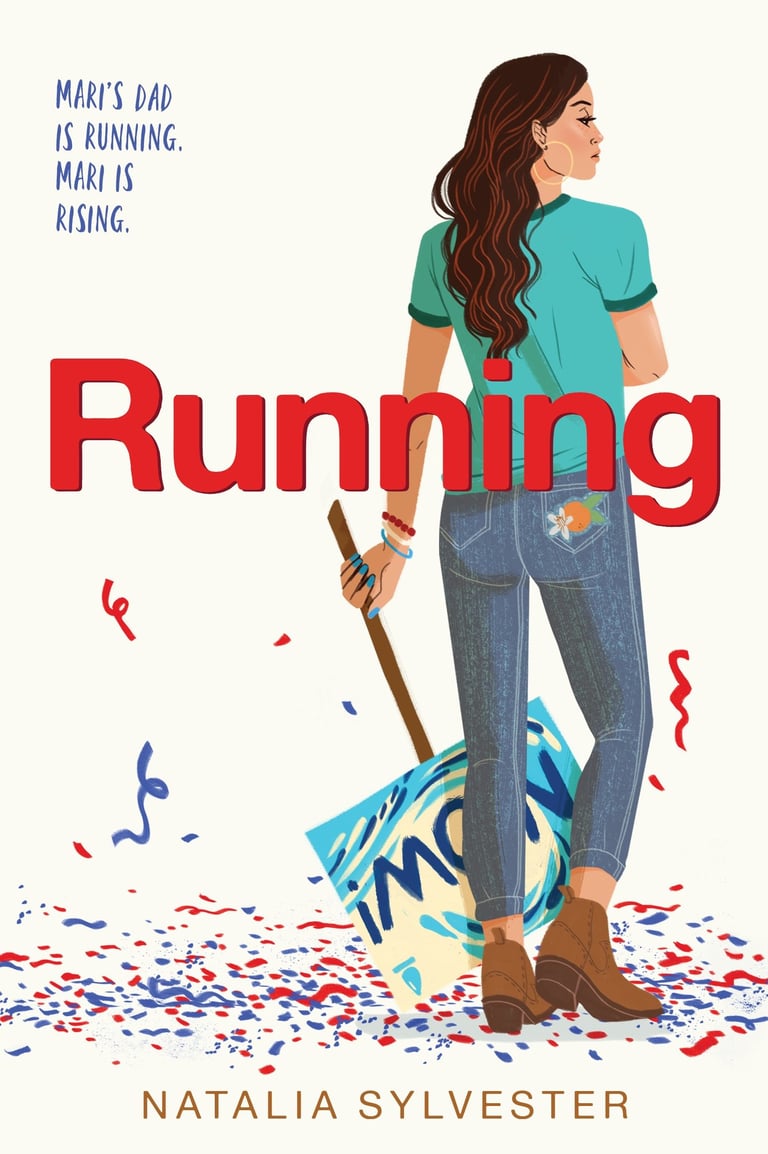
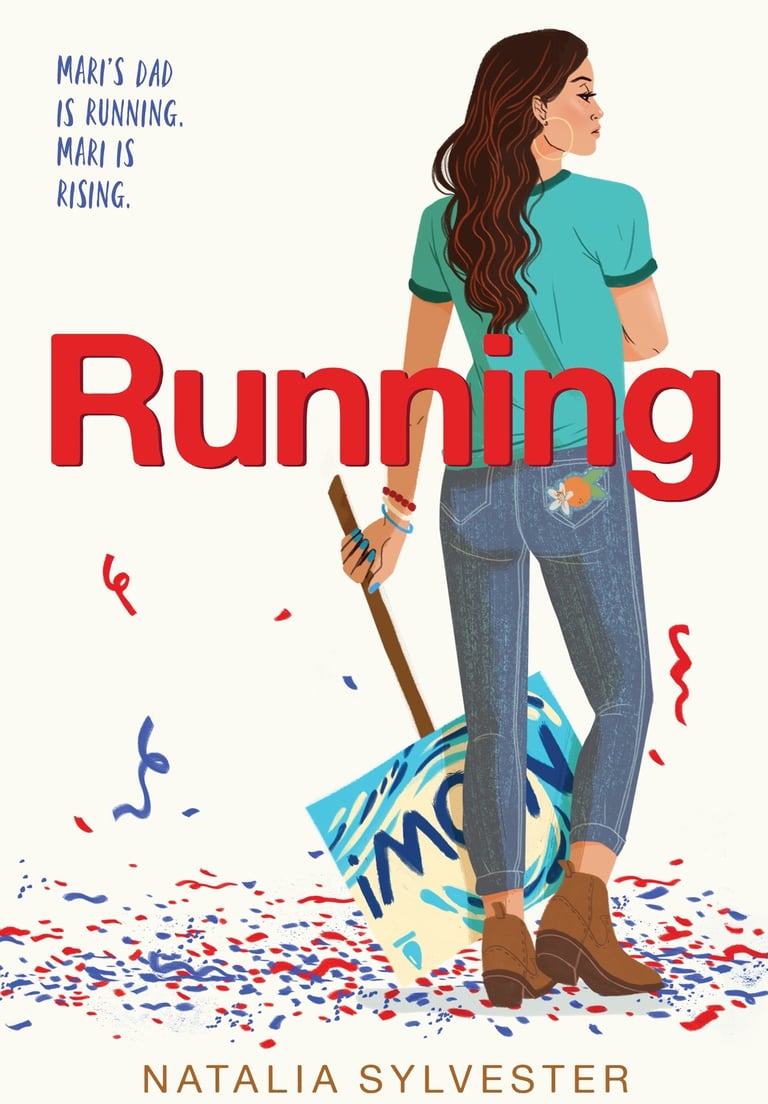
Publicity for Breathe and Count Back from Ten or Running: John Sellers, HarperCollins
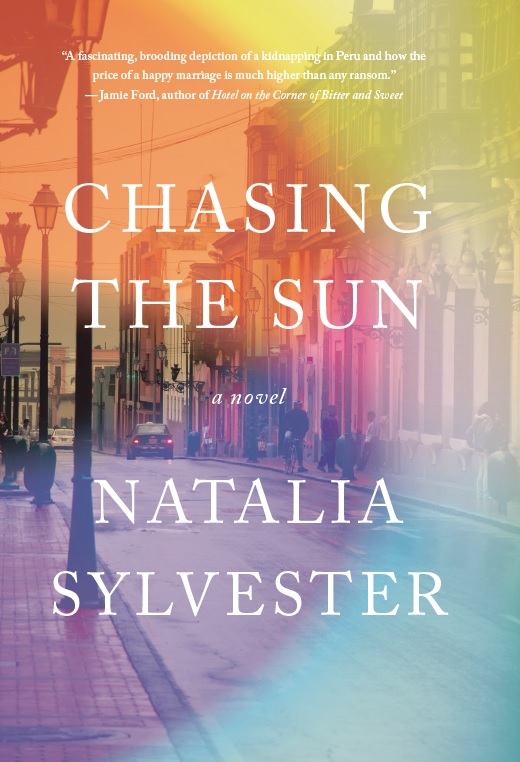
Publicity for Everyone Knows You Go Home or Chasing the Sun: Kristin Lunghamer, Amazon Publishing
IF YOU’D JUST LIKE TO SAY HELLO (THAT’S ALWAYS NICE) CONTACT ME USING THE FORM BELOW OR me@nataliasylvester.com